For several years, smart glasses were put in the same category as flip phones and smartwatches with a week-long battery life — they existed in theory and on paper (in terms of the technology) but had not yet found their way into the everyday lives of Android consumers. However, that is changing rapidly.
With the help of the growing third-party market, as well as the entrance of Google, smart glasses with an integrated camera and voice assistant are becoming the logical next accessory for Android users, along with smartwatches and wireless headphones. As more options become available, consumers shopping for the best AI glasses will have to look beyond the novelty and compare things such as camera quality, battery life, Android compatibility, and privacy features. They satisfy a need in the market that cannot be filled by phones alone.
Let’s Explain at the Outset What Smart Glasses Are
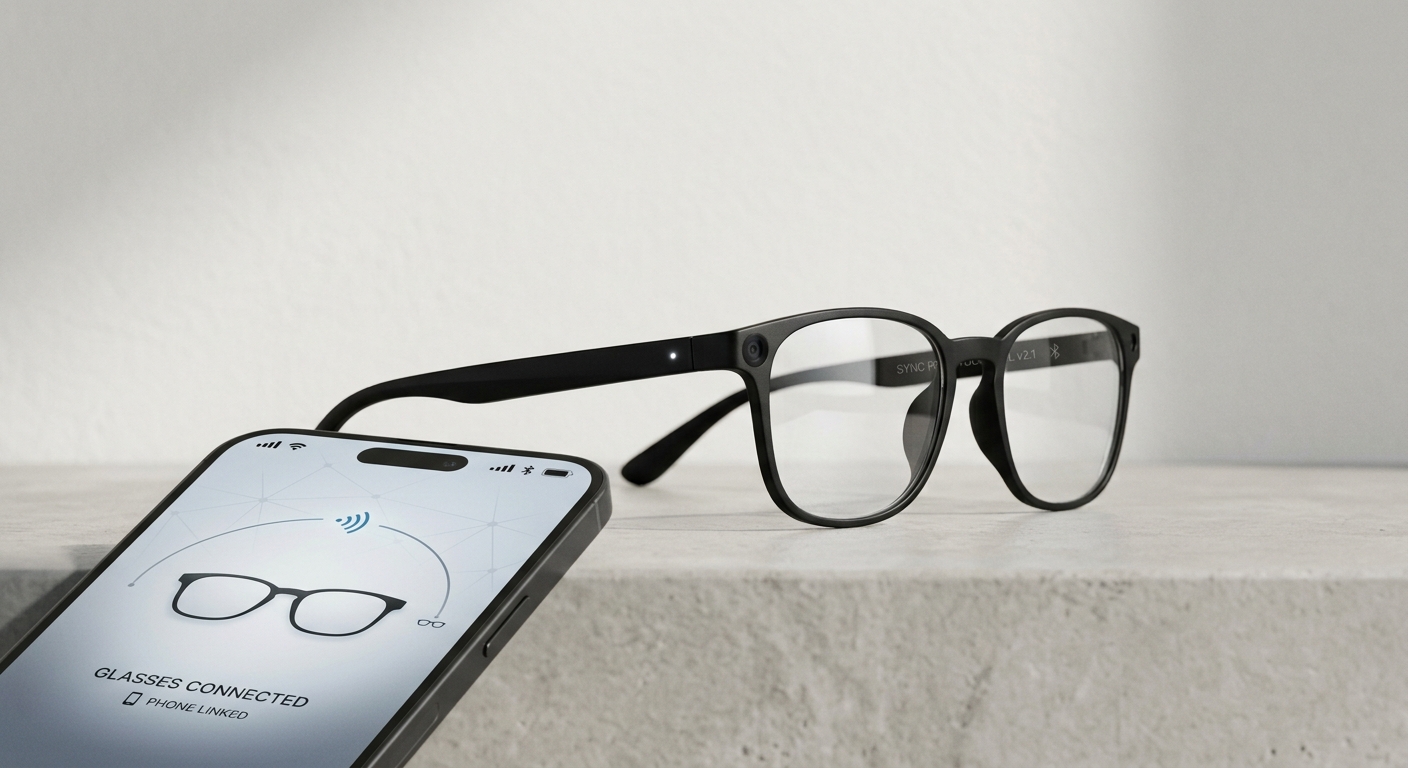
The latest smart glasses that consumers can find nowadays should consist of a pair of frames containing a camera and microphone to provide a voice assistant. The smart glasses should be connected to a smartphone, allowing the user to store, set, and synchronize the glasses over Bluetooth. They do not possess a screen in front of the user’s eyes, but the user can take pictures, make videos, or ask the virtual assistant questions using the glasses.
Furthermore, Google’s Announcement Was Well Timed
Google introduced its own Android smart glasses in 2026 in cooperation with Samsung and eyewear companies such as Warby Parker and Gentle Monster. The functionality of the glasses includes the use of the Gemini system for navigation, translation, visual search, and voice assistance. Moreover, Google’s entry into the market signals that the company takes smart glasses seriously and considers them a viable product to invest in. This news puts pressure on the already existing brands producing smart glasses to work harder and improve their existing models. The first smart glasses will become available to the public in the fall of 2026. However, the first version released will be the audio version, and then the second version will include the video function.
However, Even Before the Involvement of Google in the Market, the Trend Was Already Observed
The production of smart glasses has increased, which will double in the next few years according to analysts due to the dropping prices and increased availability of other producers’ products. Consumers will remember the previous trend with the development of smartwatches, and it will not be a surprise for them to see the market grow as well.
Fits Perfectly into an Existing Wearable Habit
And you don’t have to learn any new mental models. Anyone who’s already built a solid ecosystem of wearable devices and applications already knows the basic idea: give the device the task of doing a regular job instead of pulling out the phone for every little thing. Camera glasses simply carry this idea through but make it hands-free and voice-activated. They are another component of the Android ecosystem that has been trending toward low-friction interfaces.
Privacy Concerns Must Be Taken Seriously
When it comes to a device that features both a camera and a microphone, you will need to address exactly the same issues as with any connected device, but with much bigger consequences. All the recommendations regarding how to prevent applications from unnecessarily collecting information on Android work here as well: pay attention to what permissions the application asks for, whether the media is stored on the device until exported or automatically uploaded, and disable any permissions that are not strictly necessary for the operation of the glasses. An easy-to-forget gadget definitely is worth having its data practices checked thoroughly.
What Makes This Different from Google Glass?
Let’s not forget that Google has tried something similar before. The Google Glass product launched more than ten years ago was less of a product category and more of a cautionary incident since it was criticized for being an obvious gadget, having a distracting display that was more annoying than useful, and for having pricing as well as an initiation system of advertising that could not reach a typical client. The new generation of smart glasses has made sure that it doesn’t repeat these mistakes. Most models today, including those from Google, reject having a display in the lens and instead use audio and voice. They look like regular glasses and do not focus on having a heads-up display at all.
There is a reason why Google’s entry into smart glasses does not throw the rest of the manufacturers out of the market. If anything, a new arrival at the same level of technology only leads to the expansion of the market rather than taking control over it, as we have already seen with the arrival of Android. That would mean we are facing serious competition in areas such as battery life, transcription speed, footage transfer speed, and synchronization of the phone suite with other Android applications.
There are a few specifications that are more important than marketing information. Nowadays, the batteries of smart glasses can last anywhere from four to eight hours, making them just about average for the day. You have to verify that the relevant application is updated for your version of Android. Another check you should not forget about is looking out for the indicator that lights up when people are nearby the wearer of the smart glasses.
The smart glasses market had been eagerly anticipated for quite a long time, with many people speaking about it while only one company had started using it. After Google’s initiative together with the other companies, the situation in the market is likely to change.
Join The Discussion: